
Contaminated land is a serious issue in the Central West and across regional New South Wales. If you’re a property owner, developer, or business operator, understanding soil remediation, what it is, why it matters, and how it works, is essential before you buy, sell, develop, or demolish on affected land.
This guide covers everything you need to know about soil remediation Central West, from how contamination occurs to the methods used to remediate it.

What Is Soil Remediation?
Soil remediation is the process of removing, treating, or containing contaminants in soil to make land safe for its intended use. That could mean making a site safe for housing, commercial development, agriculture, or simply ensuring it no longer poses a risk to the surrounding environment.
Remediation can address both surface-level and subsurface soil, depending on how deep the contamination has spread.
How Does Soil Become Contaminated?M
In most cases, soil contamination accumulates over years or decades through industrial activity, land mismanagement, or the slow leaching of hazardous materials into the soil.
Common causes include:
- Underground storage of fuels, oils, and chemicals. Especially occasional leaks
- Industrial manufacturing and processing activities
- Pesticides, herbicides, and high-application fertilisers remain in the soil of previous agricultural sites
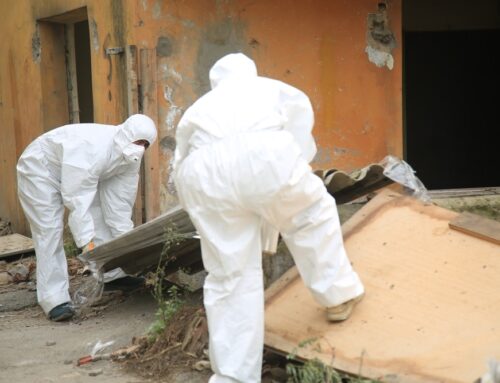
- Demolition of older structures containing asbestos or lead-based paint
- Illegal dumping and historical landfill activity
- Stormwater runoff carrying pollutants from hard surfaces into the ground
Central West-Specific Considerations
The Central West has a long history of agriculture, mining, and rural industry, which can shape the types of contamination most commonly found in the region.
- Legacy pesticide and herbicide use is widespread on older farming properties
- Decommissioned fuel depots and rural service stations are common sources of hydrocarbon contamination
- Former mining activity around areas such as Orange, Bathurst, and Parkes has left heavy metal contamination in some locations
- Older farm buildings and rural structures frequently contain asbestos, which can contaminate surrounding soil when buildings deteriorate or are demolished
Common Soil Contaminants
The most common contaminants found in soil across NSW:
- Hydrocarbons, petrol, diesel, and oils from fuel storage and vehicle maintenance
- Heavy metals, such as arsenic, lead and mercury
- Asbestos fibres, from building materials, roofing, and insulation
- Chlorinated solvents, often associated with dry cleaning, manufacturing, and metal degreasing
- Pesticides and herbicides, often on former agricultural land
- PFAS (per- and polyfluoroalkyl substances), linked to firefighting foams and some industrial processes
- Acids and alkalis, from chemical storage and industrial processing
How Contamination Is Identified
Before any remediation work begins, the extent and nature of contamination must be confirmed. This typically involves two phases.
- Preliminary Site Investigation)
- A desktop review of the site’s history, land use, and any available records
- Site Inspection
- Soil samples are sent for laboratory testing to confirm the presence and concentration of contaminants
- A Remediation Action Plan (RAP) is then developed, outlining the approach, timeline, and validation requirements for the project
Soil Remediation Approaches
The remediation method used depends on the type and concentration of contaminants and the depth of contamination.
Excavation and Removal
- Contaminated soil is excavated and transported to a licensed facility for treatment or disposal
- Effective for localised, heavily contaminated areas
- The excavated area is typically backfilled with clean material and validated before construction proceeds
In-Situ Treatment
- In-situ methods treat contaminated soil on-site
- This can be a cost-effective option when contamination is deep or widespread
- Treatments include
- Bioremediation
- The use of microorganisms to break down contaminants such as hydrocarbons
- Soil washing
- Using water or chemical solutions to flush contaminants from the soil
- Chemical oxidation
- Oxidising agents are injected into the ground to neutralise hydrocarbon contamination
- Bioremediation
Central West Soil Remediation Services
If you’re dealing with a contaminated site in the Central West, working with a contractor who knows the region makes a real difference. Local knowledge of land-use history, soil types, and the contaminants common to the area speeds up the investigation process and helps ensure the best soil remediation approach is selected.
At Central West Demolition, we offer our professional soil remediation services across the Central West NSW region.
If you’re preparing your site for development, managing a contamination issue on agricultural land, or dealing with legacy contamination following demolition, we have the experience, the team and equipment to handle the job properly.
To find out more or to discuss your site, visit our Central West soil remediation page.



Leave A Comment