

Yes, you can, and in many situations, partial house demolition NSW is the smarter, more cost-effective option.
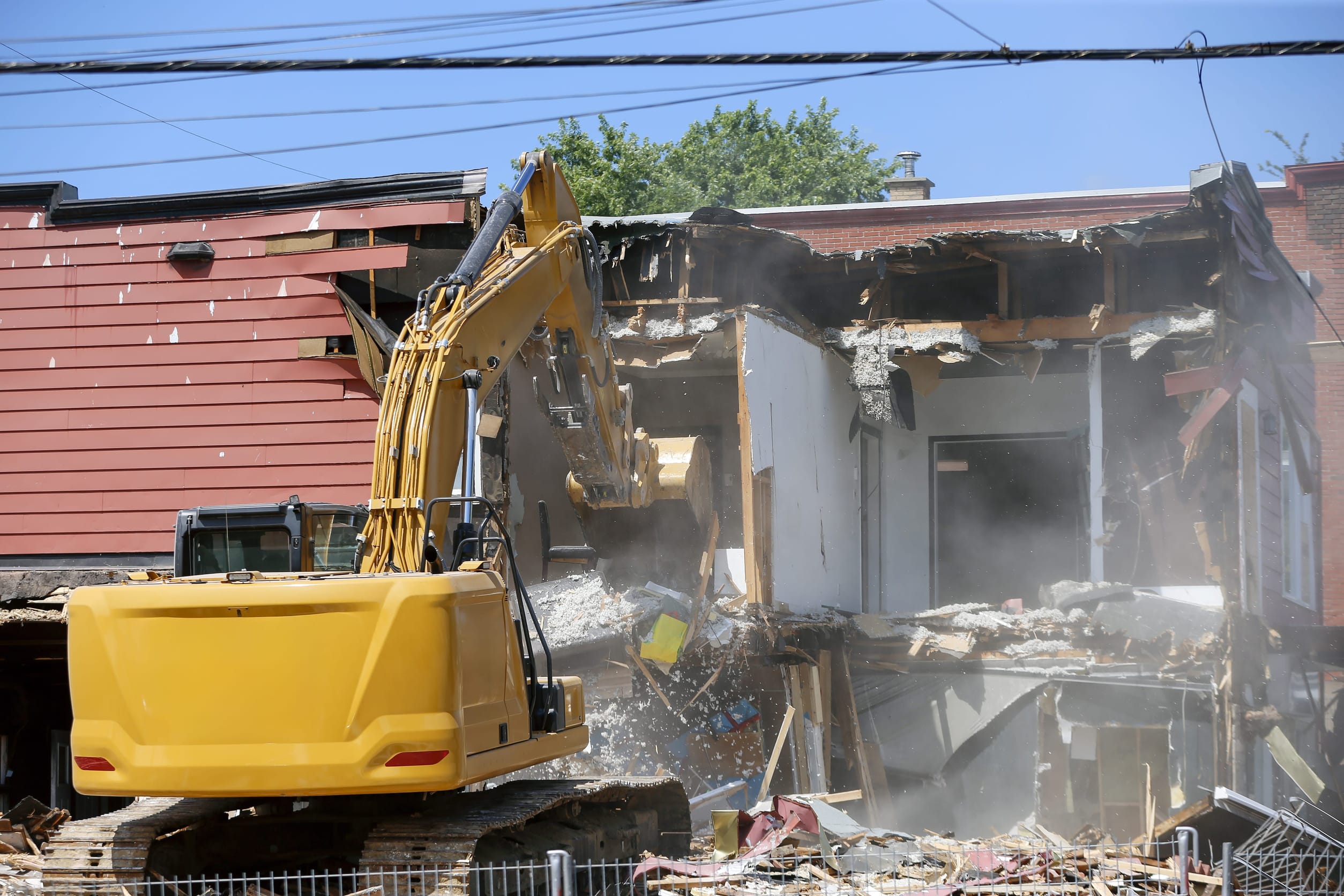
Partial residential demolition Central West, sometimes called selective demolition, means removing only a specific section of a building while the rest of the structure remains intact and safe to occupy or build upon.
It is a practical solution and is used regularly across New South Wales by homeowners extending their properties, builders preparing sites for renovations, and property managers dealing with damaged or outdated sections of a building.
In this article, we take a deeper look at partial residential demolition NSW, local authority rules, and the tricky topic of asbestos in NSW homes.
What Is Partial House Demolition?
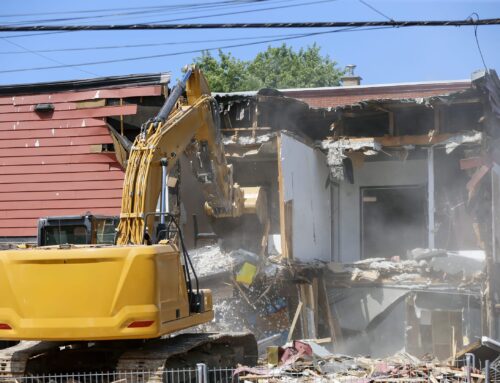
Partial demolition is the removal of certain sections of a building without taking down the entire structure. The remaining parts of the building remain standing and, where possible, are usable throughout the process.
Common examples include:
- Removing an extension to enable a new build
- Taking down an internal wall to open up a floor plan
- Demolishing an adjoining garage or carport
- Stripping back a damaged roofline
- Clearing a porch, or an outbuilding connected to the main home
How Is Partial Demolition Different from Full Demolition?
A full demolition project means the entire structure is knocked down and removed. Partial home demolition means only a specific portion is targeted and removed, with everything else left standing.
Some of the differences:
- Full demolition clears the entire site; partial demolition targets a specific section
- Partial demolition is generally less expensive because less material is removed and less equipment is required
- You must vacate the building for a full demolition; partial work may be carried out while other areas remain in use
- Both types require approvals in NSW, but the process can differ depending on scale
When Does Partial Demolition Make Sense?
Partial demolition Central West NSW is the right choice when there is a good reason to preserve part of the existing structure. It is often carried out when a homeowner wants to renovate rather than rebuild from scratch, or when only one section of the property is damaged or no longer fit for purpose.
Situations where partial demolition is typically the better option:
- You are adding a new extension or second storey, and need to remove part of the house first
- An attached outbuilding, garage, or shed is old or damaged, but the main home is still in good condition
- You want to improve the floor plan and open up internal spaces by removing walls
- A section of the property has suffered storm, fire, or structural damage and needs to be removed before repairs can begin
- You want to keep the heritage and character features of the home, while outdated additions are cleared
When Is Full Demolition the Better Option?
Full demolition makes more sense when the existing structure is beyond repair, when the land is being redeveloped entirely, or when the cost of partial work outweighs the benefits of keeping what remains.
Some of the factors where full demolition may be the better option:
- Widespread damage or structural failure
- Asbestos contamination requires full site clearance
- A knockdown-rebuild project where no part of the original structure will be reused
- The cost of retaining sections of the building would exceed the cost of starting fresh
Structural Considerations: What You Must Know Before Starting
Before any wall, beam, or section is removed, a thorough structural assessment must be carried out to identify load-bearing elements.
Some important considerations:
Before any wall, beam, or section is removed, a thorough structural assessment must be carried out to identify load-bearing elements.
Some important considerations:
- The identification of load-bearing walls before any demolition begins
- Arranging temporary support structures where necessary during the work
- Ensuring the remaining structure is stable and compliant once the section is removed
- Confirming that floor slabs, rooflines, and footings will not be compromised by the removal
Can You Remove an Internal Wall Yourself?
Removing a non-load-bearing internal wall in a residential property can be straightforward, but it still carries risks if not done properly. In NSW, any work involving load-bearing walls, electrical, plumbing, or structural alterations requires a licensed professional and, in most cases, council approval.
It is always advisable to:
- Have a licensed builder or engineer assess the wall before any removal
- Obtain the necessary development approval or complying development certificate
- Engage a licensed demolition contractor for anything beyond minor cosmetic work
Asbestos and Hazardous Materials in Older NSW Homes
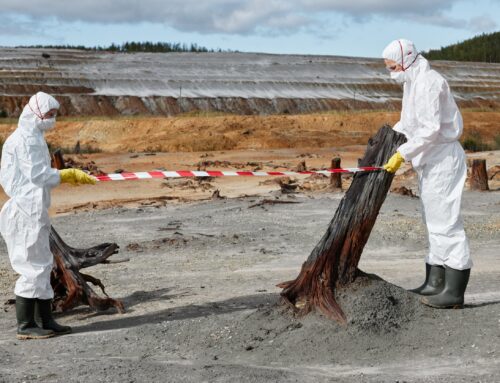
Asbestos is a significant concern in partial house demolition NSW, particularly in homes built before 1990. During this period, asbestos-containing materials were widely used in wall sheeting, roofing, eaves, flooring, and insulation.
Before any partial demolition begins on an older home:
- An asbestos inspection must be carried out by a licensed assessor
- Any identified asbestos must be removed by a licensed asbestos removalist, not the general demolition crew
- All asbestos waste must be disposed of at an approved facility
- A clearance certificate should be obtained before any further work proceeds
What Happens If Asbestos Is Found?
If asbestos is identified during the inspection, the demolition process must stop until a management plan is in place. Removal must be carried out in accordance with SafeWork NSW requirements and the relevant NSW Work Health and Safety Regulations.
Do not attempt to remove asbestos materials yourself. Even minor disturbance of asbestos-containing materials can release fibres that are harmful to health.
Permits and Council Approvals in NSW
Partial demolition in NSW requires council approval in most circumstances. Whether you need a Development Application (DA) or a Complying Development Certificate (CDC) depends on the nature and scale of the work, the property’s zoning, and whether the building has any heritage significance.
Generally, you will need approval if the work involves:
- Removal of load-bearing walls or structural elements
- Demolition of any section larger than a minor outbuilding
- A property listed on a heritage register or located in a heritage conservation area
- Any project that affects the building’s footprint or external appearance
How Do You Apply for a Demolition Permit in NSW?
Applications for partial demolition approvals in NSW are typically submitted to your local council or through a private certifier for complying development. Your demolition contractor should be able to guide you through this process.
Environmental Benefits of Partial Demolition
Partial demolition generates less waste than full demolition, which makes it the more environmentally responsible choice when full removal is not necessary. A smaller volume of material goes to landfill, and more of what is removed can be recycled or salvaged.
Environmental advantages of partial demolition include:
- Reduced waste volume compared to full site clearance
- Greater opportunity to sort and recycle materials such as timber, brick, steel, and concrete
- Lower transport and disposal costs
- A smaller carbon footprint over the course of the project
- Preservation of existing materials that would otherwise need to be replaced in a new build
Partial House Demolition in Central West NSW
Properties across the Central West, including towns such as Orange, Bathurst, Dubbo, and Parkes, have their own considerations regarding partial demolition. Many homes in the region were built during the mid-to-late twentieth century, which means asbestos-containing materials are common. Rural properties and farms often have a mix of old and new structures where selective removal is far more practical than full demolition.
Ready to Talk Partial Demolition?
At Central West Demolition, we work with homeowners, property managers, builders, and developers across the Central West to deliver safe, professional, and fully compliant partial demolition services. Whether you are clearing space for a new build, removing a damaged section, or opening up your home for renovation, our team is here to help.
We deliver peace of mind, too, handling everything from the initial site assessment and asbestos testing through to council approvals, physical demolition, and waste removal.
Get in touch with the team today to ask your questions and request your obligation-free quote.




Leave A Comment