

Safe asbestos waste disposal NSW protects your family, workers, neighbours and the wider community from exposure to hazardous fibres.
This guide explains how asbestos waste disposal works, when a licensed asbestos removalist NSW is required, how waste should be contained and transported, and what happens during professional asbestos removal across Central West NSW.
If asbestos has been disturbed during renovation, demolition, storm damage or excavation, do not move it. The steps below will help you understand what to do next and how to arrange professional assistance.
What is asbestos waste?
Asbestos waste is any material, product, debris, soil or personal protective equipment contaminated with asbestos fibres. It may come from a home, shed, garage, fence, workplace, commercial building or demolition site.
Common asbestos-containing materials include:
- Cement sheets used for walls, ceilings, eaves and roofing.
- Fencing panels and backing boards.
- Water tanks, flues and drainage components.
- Vinyl floor tiles, sheet flooring and adhesives.
- Pipe lagging, insulation and sprayed coatings.
- Soil or rubble contaminated with asbestos fragments.
- Disposable clothing, filters, drop sheets and cleaning materials used during removal.
Asbestos can be bonded, meaning fibres are held within a solid product, or friable, meaning the material is loose, soft or easily crumbled. Friable asbestos presents a higher risk because fibres can become airborne more easily.
Can asbestos waste go in a household bin?
No. Asbestos waste must never be placed in a kerbside bin, household rubbish bin, uncovered skip or ordinary recycling container. It must not be dumped, reused or recycled.
Asbestos waste must be taken to a landfill or waste facility authorised to accept it. Contact the facility before delivery because requirements, bookings, packaging rules and fees can vary between locations.
Incorrect disposal can expose waste workers and members of the public to asbestos fibres. It can also create legal, environmental and clean-up problems for the property owner or person responsible for the waste.
When is a licensed asbestos removalist required?
Asbestos removal Central West NSW must only ever be conducted by a licensed asbestos removalist for any amount of friable asbestos or for more than 10 square metres of bonded asbestos. Using a professional is also strongly recommended for smaller jobs because asbestos can be difficult to identify, handle and package safely.
Businesses, landlords, property managers and construction companies should also consider their duties to workers, contractors, visitors and neighbours before any work begins.
How should asbestos waste be prepared for disposal?
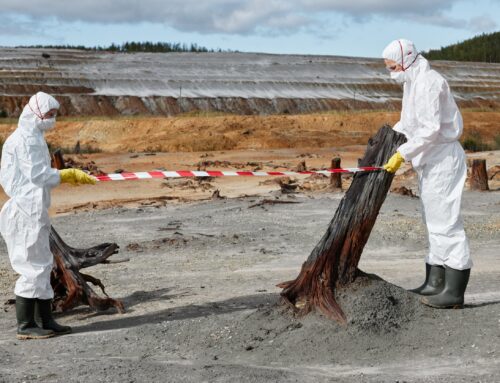
Asbestos waste must be kept intact, damp where appropriate, securely packaged and clearly labelled. The aim is to prevent fibres escaping during handling, transport and unloading.
Professional preparation generally includes:
- Isolating the work area and restricting access.
- Using suitable personal protective equipment.
- Dampening materials to reduce dust without allowing contaminated water to enter drains.
- Wrapping bonded asbestos in heavy-duty plastic sheeting.
- Placing smaller pieces and contaminated disposable items in suitable asbestos waste bags.
- Double-bagging waste where required.
- Sealing packages with durable adhesive tape.
- Labelling packages as asbestos waste.
- Keeping waste contained within the removal area until it is ready for transport.
Do not break, cut, grind, drill, sand or pressure-wash asbestos products. These actions can release fibres and increase the risk of contamination.
How is asbestos waste transported in NSW?
Sealed asbestos waste must be taken to an authorised disposal facility as soon as practicable. Waste should be secured so it cannot move, tear, fall from the vehicle or release dust during transport.
The transport process should include these steps:
- Confirm that the selected landfill accepts asbestos waste.
- Ask whether a booking, notification or specific packaging is required.
- Keep all waste sealed and labelled until it reaches the facility.
- Use a covered and leak-proof vehicle.
- Drive carefully to prevent movement or damage to the load.
- Follow the landfill’s instructions for unloading.
Frequently asked questions about asbestos waste disposal in NSW
Can I remove asbestos from my own home?
A homeowner could be allowed to remove less bonded asbestos covering an area less than 10 square metres from a private home, subject to strict safety requirements. Professional removal is recommended because there is no safe level of asbestos exposure and incorrect handling can contaminate the property.
Where can asbestos waste be disposed of?
Asbestos waste can only be taken to a landfill or waste facility authorised to accept it. Contact the facility before removal to confirm acceptance, packaging requirements, bookings and delivery procedures.
Can asbestos go into a skip bin?
Asbestos must not be placed in an ordinary or uncovered skip bin. Only use a skip or transport arrangement specifically approved for asbestos waste, and confirm the disposal process with the waste provider.
Do I need asbestos testing before renovation?
Testing is advisable when a building or material may contain asbestos and the work could disturb it. Laboratory testing can confirm the material and support a suitable asbestos removal plan.
Do I receive paperwork after asbestos removal?
Professional projects may include disposal receipts, photographs, inspection records and clearance documentation. The exact paperwork depends on the type and size of the work, so confirm the inclusions before the project starts.
How can Central West Demolition help with asbestos waste disposal NSW?
At Central West Demolition, we provide practical asbestos management services across Central West NSW, from testing and inspection through to controlled removal, site remediation, clean-up and lawful disposal.
If you suspect asbestos or have uncovered it during building work, stop disturbing the area and get in touch with the trusted experts for asbestos removal Central West NSW.
Read our asbestos removal page to ensure you understand the dangers and the simple solution, then contact us with your questions and to arrange your free quote.



Leave A Comment