
Asbestos remains one of the most significant building hazards facing property owners across Australia. If you own a property in Central West NSW, particularly one built before 1990, you must understand Asbestos removal Central West.
Read on to find out about the types of asbestos and where they may be hiding in your property, and ensure you step through the asbestos removal process so you know what to expect.

What Is Asbestos and Why Is It Still Significant?
From the 1940s through to the late 1980s, asbestos was common in construction across Australia because it was affordable, fire-resistant, and easy to work with.
The manufacture, use, and import of all asbestos products were eventually banned in Australia in 2003, but the effects of decades of use remain.
Across regional NSW, including the Central West, a significant proportion of residential and commercial properties still contain asbestos-containing materials (ACMs). Many owners are unaware of what is in their walls, roofing, or flooring until they begin a renovation or demolition project.
Types of Asbestos Found in Australian Properties
The two main types are friable and non-friable, and understanding the difference matters.
Friable Asbestos
Friable asbestos is loosely bound and can be crumbled by hand. This makes it far more likely to release airborne fibres when disturbed, which is why it is classified as the higher-risk category.
Common locations include:
- Spray-on fireproofing and insulation in commercial buildings
- Pipe and duct lagging
- Backing materials on older vinyl floor coverings
Under NSW law, only a licensed Class A asbestos removalist is authorised to remove friable asbestos.
Non-Friable (Bonded) Asbestos
Non-friable asbestos, commonly known as “fibro,” has asbestos fibres bonded within a solid matrix such as cement. When undisturbed and in good condition, it is considered lower risk. However, once it is cut, drilled, sanded, or broken, it becomes hazardous.
Non-friable asbestos is the most common type found in residential properties across Central West NSW, and it appears in locations including:
- External and internal fibro wall sheeting
- Corrugated roofing sheets
- Eave linings and fascia boards
- Floor tiles and the adhesive compounds beneath them
- Fencing and outbuildings
Removal of more than 10 square metres of non-friable asbestos requires a licensed Class A or Class B removalist.
Health Risks of Asbestos Exposure
Asbestos fibres are microscopic. When inhaled, they lodge in the lung tissue and can result in serious, often fatal, diseases decades later.
Asbestos-related diseases include:
- Asbestosis
- The progressive scarring of lung tissue results in breathing difficulties
- Lung cancer
- Significantly elevated risk with asbestos exposure, particularly in combination with smoking
- Pleural disease
- Thickening or fluid build-up around the lungs
For property owners and tradespeople working on older buildings, the message from health authorities is consistent: if in doubt, do not disturb it, and call a professional.
Where Is Asbestos Found in Older Properties?
Many Central West property owners are surprised by how widely asbestos was used. It appeared throughout the home and within outbuildings.
Inside the Home
- Fibro wall and ceiling linings
- Textured or “popcorn” ceiling finishes
- Insulation around hot water systems, pipes, and flues
- Vinyl floor tiles and associated adhesive
- Internal partition walls in older homes and extensions
Outside the Home
- Corrugated fibro roofing
- External fibro cladding
- Eave linings, fascia boards, and guttering collars
- Garages, sheds, and farm outbuildings constructed before 1990
- Garden fencing and in-ground soil contamination from deteriorated materials
If you have an older NSW property, it is smart to assume ACMs may be present somewhere on the site until a professional assessment confirms otherwise.
The Asbestos Removal Process: Phases
Asbestos removal projects normally follow the following steps:
Inspection and Identification
- A licensed removalist inspects the property
- Samples are taken of suspect materials and sent to an accredited laboratory for analysis
- An asbestos register or report is prepared, documenting all identified ACMs
- No materials should be disturbed before the assessment is complete
Planning and Notification
- A removal control plan (RCP) is prepared in line with SafeWork NSW requirements
- SafeWork NSW is notified at least five business days before licensed removal work commences
- Site access arrangements, exclusion zones, and occupant safety are confirmed in advance
Safe Removal
- The work area is sealed with physical barriers and clearly signed to restrict access
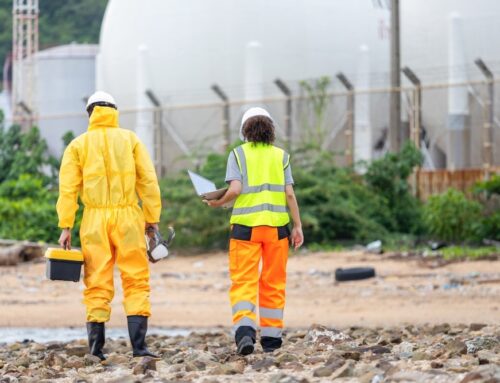
- Workers wear full personal protective equipment (PPE)
- The wet method is used to suppress fibre release during removal
- All ACMs are carefully removed and sealed in clearly labelled heavy-duty plastic sheeting
- Air monitoring may be conducted on larger or more complex jobs to verify safety during and after removal
Decontamination and Disposal
- The work area is fully decontaminated on completion
- All asbestos waste is transported to an EPA-licensed disposal facility
- A clearance inspection is conducted before the site is handed back to the owner
- Written documentation confirming safe removal and compliant disposal is provided
Get Professional Asbestos Removal in Central West NSW
At Central West Demolition, we offer asbestos removal services across the Central West NSW region. Our team conducts asbestos removal in residential, commercial, and rural settings, and we always comply with SafeWork NSW regulations.
Whatever your asbestos concerns, Central West Demolition can help from initial inspection through to final clearance.
Contact Central West Demolition today for a no-obligation quote on Central West asbestos removal services. Visit our Central West Asbestos removal page to find out more and to get in touch with the team.



Leave A Comment