
Residential demolition is sometimes the most practical option for ageing, unsafe, or unfit-for-purpose homes. Note that the process involves more planning and compliance than most people expect. Luckily, this guide walks through everything a homeowner needs to know.
Find out why locals choose to demolish their homes. Learn about the local authority permits and approvals process and step through a complete Residential Demolition Central West process.

What Is Residential Demolition?
Residential demolition is, simply, the removal of all or part of a residential property. The most common types are full demolition, partial demolition and selective demolition.
Strip-outs, or selective demolition, are often required to prepare for renovations, although many homeowners decide that a complete knockdown and rebuild may be more cost-effective.
Note that residential demolition may involve any structure or building on a residential block, such as houses, outbuildings, garages, and rural structures.
Why Do Homeowners Choose Demolition?
Some of the most common drivers for Central West house demolition include:
When a Property Is Beyond Repair
- Typically, following structural damage, subsidence, or flood and fire damage
- Especially if the property in question is condemned or deemed unsafe by the local council
- Local authority heritage restrictions may need to be lifted to permit demolition
Preparing Land for Redevelopment
- The block may be cleared to accommodate multiple residences, via subdivision and dual-occupancy projects
- Often, a “knockdown and rebuild” is required to ensure the new build has a clear site to begin construction
- Rural and regional land clearing for new structures
Financial and Practical Considerations
- When rebuilding is more cost-effective than renovating
- Insurance implications of keeping a dilapidated structure
- The impact on land value and future sale potential
Understanding Permits and Council Requirements in NSW
In NSW, a Development Approval (DA) or a Complying Development Certificate (CDC) are normally needed before any demolition may begin
- Relevant permits and approvals are obtained by submitting documentation to local councils in Central West NSW, including Orange, Dubbo, Cowra, Forbes, Parkes, and surrounding shires
- You should expect approval to require a licensed demolition contractor for the project
- It is common for demolition permits to include notification requirements for neighbours and adjoining landowners
- Note that council requirements can vary between local government areas (LGAs) in the region
What Documents Are Typically Required?
- Site plans and building certificates
- Asbestos inspection reports, if applicable
- Waste management plans, including plans for recycling
- Demolition work plans lodged with SafeWork NSW for larger projects
The Residential Demolition Process, Step by Step
This will be your checklist. Here are the standard steps of the full process.
Site Assessment and Hazard Identification
- The process starts with a site inspection by a licensed contractor
- They will identify potentially hazardous materials, including asbestos, lead paint, and underground services
- Assessment of site access, neighbouring structures, and utility connections
- This site visit allows your contractor to develop your demolition plan and your free, detailed quote
Disconnecting Utilities
- Gas, water, electricity, and telecommunications must be safely disconnected before work begins
- This involves coordination with relevant service providers
- Failure to disconnect services is a common cause of delays and safety incidents
Asbestos Removal
- Asbestos-containing Materials are still common in Australian homes built or renovated before 1990
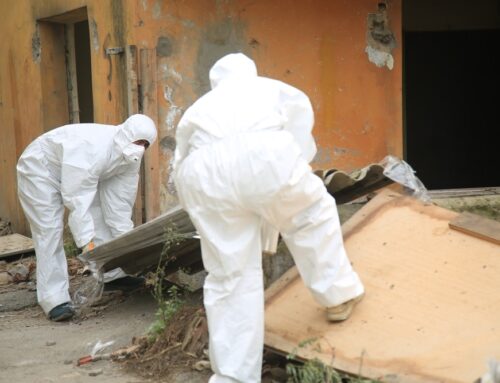
- Licensed asbestos removalists must handle any bonded or friable asbestos
- This step must be completed and certified before demolition machinery moves on-site
- Relevant to many older properties across Central West NSW, including those in smaller towns and rural areas
The Demolition Itself
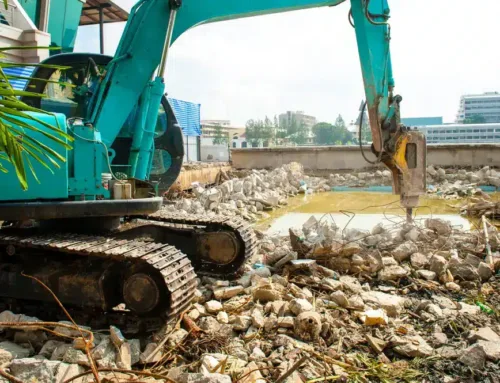
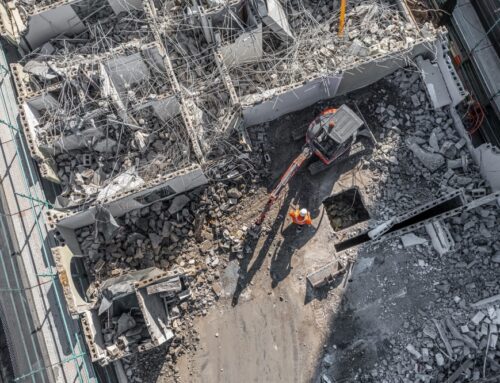
- Methods include mechanical demolition (excavators), manual selective demolition, or a combination
- There is a mixture of urban and semi-rural considerations for Central West properties
- Dust and noise management helps reduce the impact on your neighbours during the work
Waste Management and Site Clearance
- Materials are sorted on site for recycling, salvage, or disposal
- Concrete, timber, steel, and bricks can often be recycled or reused
- Hazardous waste must be transported to registered, accredited disposal facilities
- Final site inspection will take place before a clearance certificate is issued
Frequently Asked Questions About Residential Demolition
Some of the most common questions regarding Central West residential demolition include:
Do I need a permit to demolish my home in NSW?
Normally, you will need to follow one of the two main approval pathways:
- Complying Development Certificate (CDC): The faster option for most standard residential demolitions, issued by a private certifier
- A Development Application (DA) is normally needed for heritage-listed properties, or those within heritage conservation areas
Always check with your local council as requirements vary across Central West NSW local government areas. Larger projects must also be notified to SafeWork NSW before work begins.
How long does a residential demolition take?
The physical demolition is often completed within a few days, but the full project timeline is typically 6 to 8 weeks when approvals and preparation are included:
- Small house (under 100 sqm): 1 to 3 days of active demolition
- Medium house (100 to 200 sqm): 3 to 5 days
- Large house (200 sqm and above): Up to 2 weeks or more
Permit processing, asbestos removal, and site clearance all add time before and after the knock-down itself.
What happens if asbestos is found on the premises?
Asbestos should always be professionally handled before any work begins:
- Asbestos removal and disposal may only be carried out by a licensed contractor
- You must provide SafeWork NSW with at least five days’ notice before removal starts
- A clearance certificate from an independent licensed assessor is required before demolition proceeds
- All asbestos waste must be disposed of at an EPA-approved facility
Never attempt to remove asbestos yourself. The health risks are serious, and unlicensed removal carries significant legal penalties.
Can I salvage materials from my own home before it is demolished?
Yes, and it is often worthwhile. Salvaging materials can reduce disposal costs and may offset part of your project budget. Common items include:
- Structural timber, hardwood beams, and roof framing
- Bricks, corrugated iron, and stone
- Doors, windows, cabinetry, and bathroom fixtures
- Copper pipes and light fittings
Discuss salvage plans with your contractor before work begins. Any materials affected by asbestos or other hazardous substances cannot be salvaged and must go through licensed disposal.
Residential Demolition Services in Central West NSW
Central West Demolition is a locally based, licensed contractor servicing Orange, Dubbo, Forbes, Cowra, Parkes, Lithgow, Mudgee, and the surrounding areas.
We are familiar with the local permit processes and disposal requirements of Central West NSW councils. We can help you through the approvals process and provide you with documentation to confirm our compliance with regulations.
Our team is expert and friendly. Contact us today to discuss your residential demolition plans, arrange your site inspection and get your free quote.




Leave A Comment